At 7:32 on a Sunday morning in March I sat at the kitchen table with a yellow legal pad, a pencil worn down to a stub, and three bank logins open on the laptop, copying balances line by line like it was 1987. Seven accounts, eleven columns, forty minutes. My husband walked through, looked at the pad, and asked if I was starting a cult. The ritual is why, on March 15, I spotted two tiny deposits sitting in our joint checking — $0.01 and $0.37 — from a payer name neither of us had ever seen, resting there since the 11th like tripwires waiting to be stepped on.
Micro-deposits like those are not accidents, and the numbers behind them deserve their own accounting. They are the handshake a fraudster runs before initiating real ACH pulls against a stolen routing and account number: deposit pennies, confirm the account is live, then pull whatever the balance allows, typically within days and typically sized between $900 and everything. Our checking held $6,240 at that moment. The window between the test and the real pull is the entire defense, and ours had already been open four days when the pad caught it.
The peculiar part is that none of this security exists because of a security product. It traces back to a $2 monthly fee for paper statements — a fee I fought out of pure irritation, and in fighting it I accidentally deleted the only system I had for looking at our own money, then had to build a better one by hand.
two dollars a month for paper
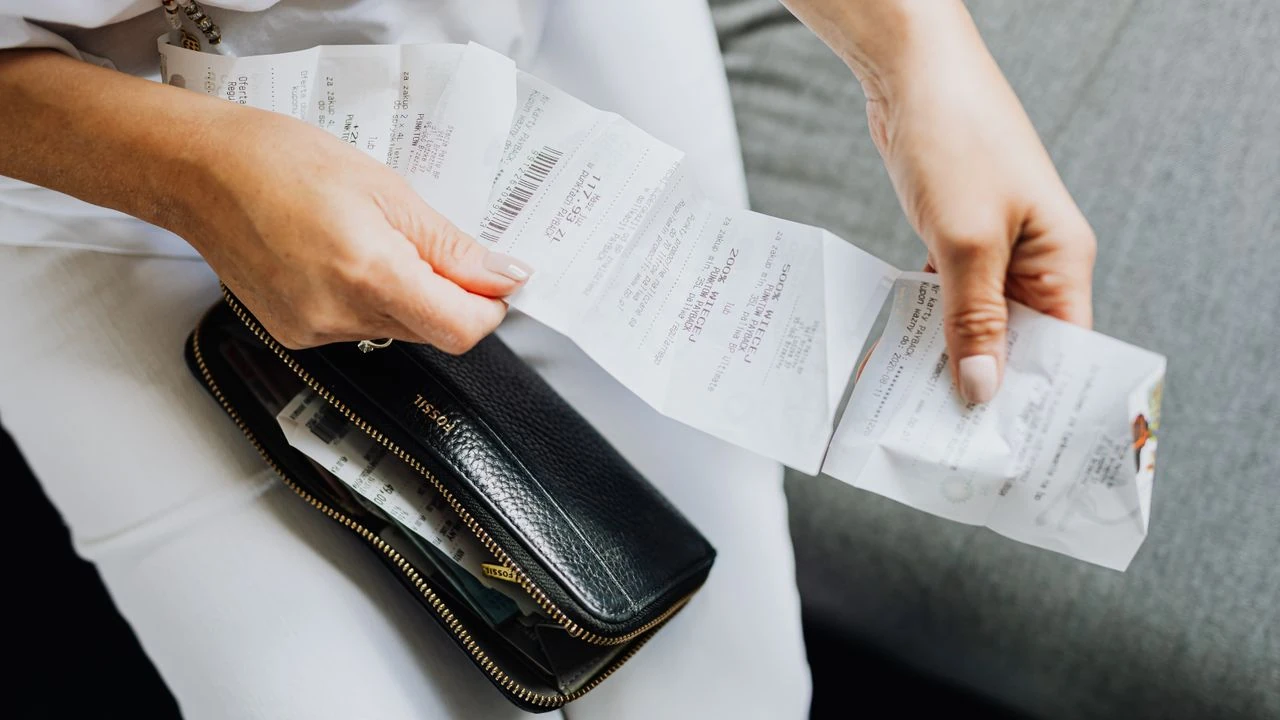
The whole thing began with a fee so slight it embarrassed me to fight it. In January I ultimately read our checking account's fee schedule — occasion: a $23 overdraft discussion I did not enjoy — and found a line charging $2 per month for paper statements, per account, which across our checking and two savings accounts came to $24 a year, and across the nine years we have held those accounts approximately $190 I paid to be mailed paper I mostly threw away unread. I flipped all three accounts to e-delivery that afternoon, feeling efficient and alil smug. The fee died. So, it turned out, did the only thing that made me look at our money on a schedule.
the envelope that stopped coming
Nobody warns you that paper statements were load-bearing. For nine years an envelope hit the mailbox around the 20th, I opened it at the kitchen counter, and some background process in my head checked every line against reality — the $64.50 pharmacy charge, the automatic transfer into the index fund, the grocery total that keeps creeping upward like a slow leak. E-delivery replaced that with a notification I archive in four seconds and never open. Two months in, I grasped I could not have told anyone what our checking balance had been in December, and the last time I had truly reconciled anything was when the envelope forced me to. The apps show you everything and get you to look at nothing. So I stole the discipline back by scheduling it.
a yellow pad and forty minutes
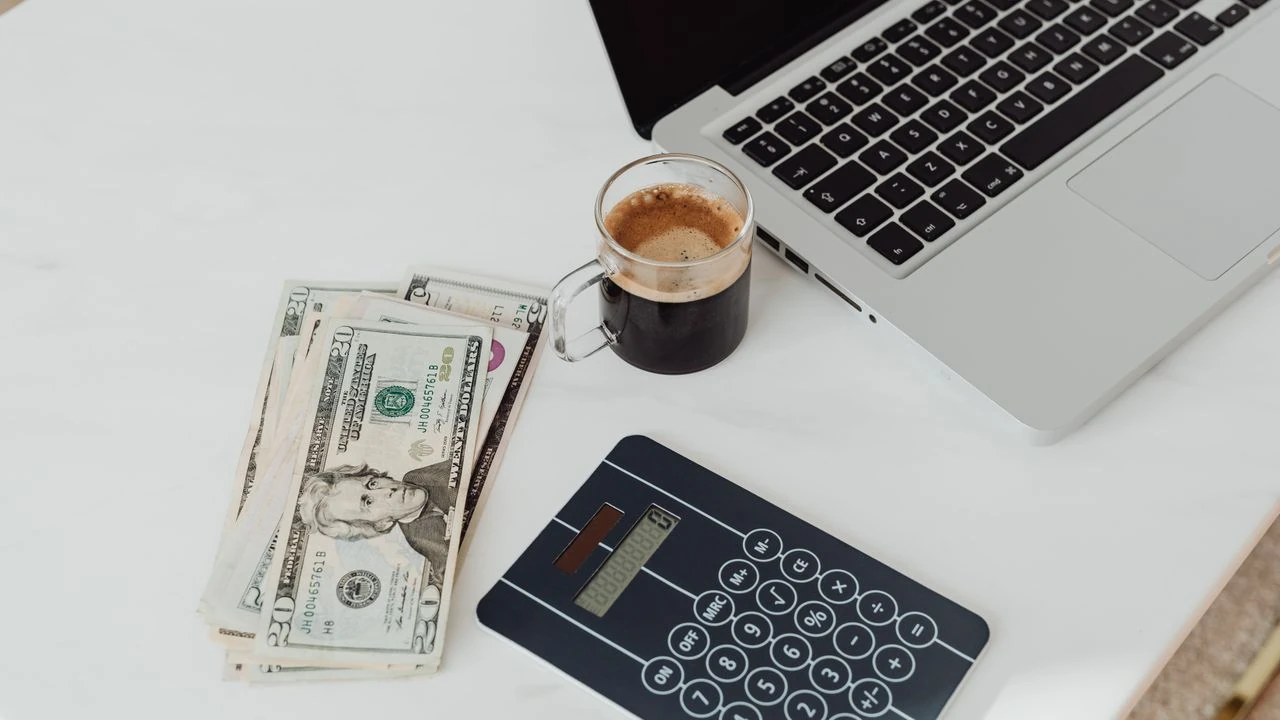
The ritual is boring on purpose, cuz exciting reviews get skipped and boring ones survive. On the 15th of every month, coffee poured, I open all seven accounts — checking, two savings, the brokerage, my old 401k, the IRA, and the 529 — and I write each month's balance on the yellow pad next to last month's figure, then click thru every transaction since the previous pass. Anything I cannot explain in five seconds gets circled. Anything circled gets chased the same morning, by phone, with a statement open in front of me. The whole production costs one episode of a show, and it has turned our finances from a fog into about forty numbers I actually know, including a brokerage whose entire contents are one index fund and a single ETF I could name in the dark.
the 37-cent tripwire
March's pass caught the two deposits immediately, cuz the payer name — a cheerful string with the word "solutions" in it — matched nothing we had ever authorized, and micro-deposits like $0.01 and $0.37 are the classic handshake before a real pull. I called the credit union at 8:05, still in pajamas, and their fraud team earned every syllable of the word team: they killed the external linkage, locked online transfers, reissued our credentials, and confirmed what the deposits implied about where our routing number had leaked. The real pull would have come days later, sized between $900 and whatever our balance allowed. The 15th caught it on day four.
what the fraud team said after
The agent on the follow-up call said the quiet part plainly: e-statement users report fraud faster in the data, but only if they actually look, and most never do — the bank sees the e-delivery enrollment and assumes a vigilance that mostly is not there. She also said the linkage probably came from a breached payroll processor, one of those leaks where account numbers float around the internet for years before anyone gets around to using them. There is no defense that un-leaks a number. There is only the gap between the test deposit and the real one, and closing that gap is a habit, not a product you can buy, which is why nobody sells you one.
the memo that read INIT AL
February's pass had caught a modest, dumber thing, and it did more to sell my husband on the ritual than the fraud ever did. Clicking through the card statement, I found a $179.40 annual charge whose memo line had been truncated to INIT AL, which turned out to be a meal-kit subscription his sister began for us as a new-baby gift in 2023 and quietly converted to paid at renewal — twice, cuz the company billed under two merchant codes and our card never flagged either. One refund request, 22 minutes on hold. $179.40 back. The paper envelope would never have caught it, cuz $89.90 twice a year hides beautifully inside a month of grocery noise, which is exactly the water those charges swim in.
the fifteenth, every month
The fee that began all this cost $24 a year and ended up buying me something I had mistaken for a product: a monthly appointment with my own money, on a pad I chose, at a table in the morning sun. April 15 falls on a Wednesday, and the pad is already on the counter with April's eleven columns penciled in and dated, the checking account due for its pass like every month since February. The two deposits that saved us totaled 38 cents. The habit that caught them costs one morning a month. I would not have believed that trade at 25. I believe it entirely at 41, and the legal pad is winning the argument with every app on my phone.