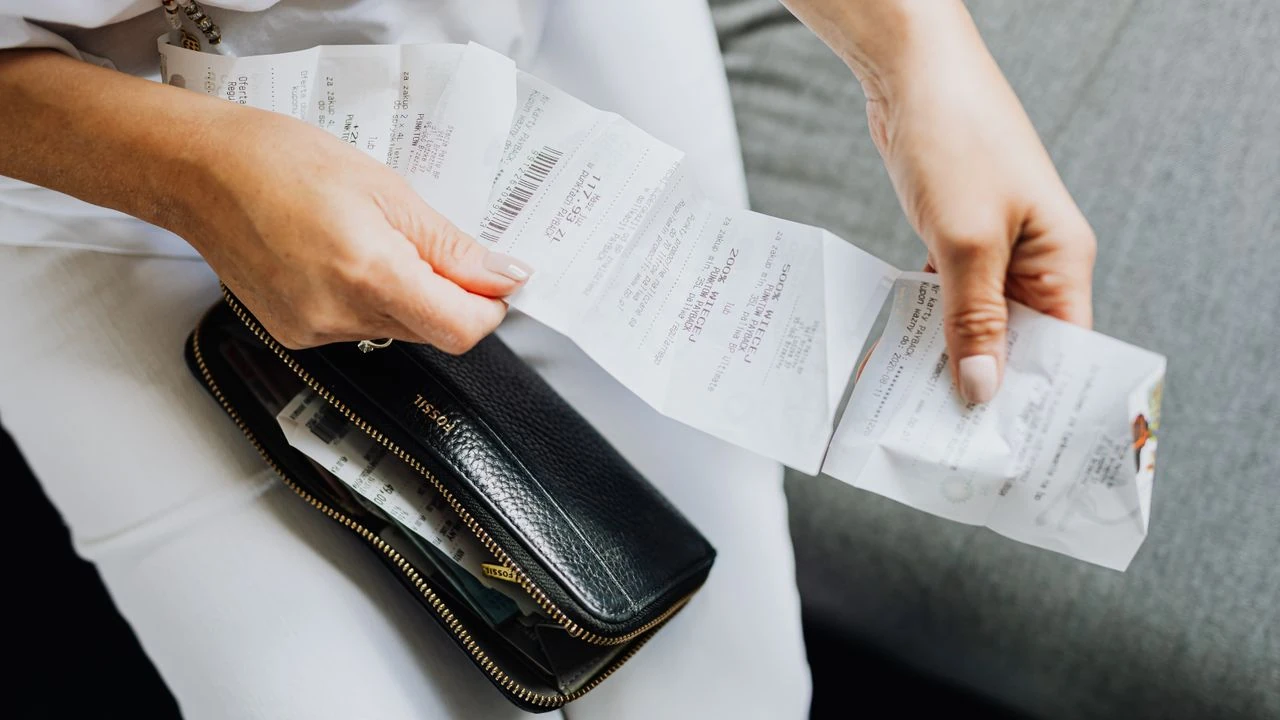
At 9:05 on a Sunday morning in January I knelt at my father's locked desk with a butter knife and a slight screwdriver, opening drawers he had twice told me held nothing but receipts, when the bottom one gave up a yellow legal pad with nineteen ticker symbols running down the left margin in his cramped blue hand. He moved into Maple Grove Assisted Living on November 30. The den hasta be empty by the end of the month, and I'm the one emptying it. Nineteen tickers. Some circled, some crossed out, every one of them in ink, because my father has never once in his life used a pencil for anything that mattered.
The stakes walked in with the pad. Those nineteen names covered $118,400 across his taxable portfolio — about 96 percent of it, I absorbed that evening when I pieced the account statements together — and the money is not an abstraction anymore. Maple Grove costs $7,900 a month, his pension covers $3,300 of it, and the portfolio is the difference between him staying there and him leaving there. I had inherited the den, the desk, and every decision the desk contained, all in the same Sunday morning, and the deadline for the first two was four weeks out.
Next to one ticker, a note was pressed so hard the page dented, and it was the only line on the pad addressed to somebody instead of to him. It said, in the same blue ink: ask Danny. I did not know who Danny was. Finding out rearranged the whole page.
what the pad was
It was his watchlist, kept the way men of his generation keep things — in one place, in ink, with no backup and no password. The pad covered positions assembled between 1987 and 2021, a collection older than my career, and the margin notes ran from one word ("pipeline") to full sentences ("sell if the dividend gets cut twice — NOT before"). Some names I knew from childhood dinner conversations. Others I had never heard him mention once, and those turned out to be the interesting ones. The notes read less like investment commentary than like instructions left for a specific situation he must have imagined: me, someday, kneeling at this desk, holding this page.
the note that said ask Danny
Danny Voss was my father's broker from 1994 until Danny retired to Tucson in 2019, and his card was in the same drawer, under a coffee stain older than my career. The dented note sat beside a mid-cap freight company my father snagged in 2020 after an acquisition was announced, betting on the spread between its $47.20 price and the $49.10 deal price. I called Danny on a Tuesday night and got twenty minutes of the clearest talk about my father's money that anyone has ever given me. The deal had a second shareholder vote scheduled for March, Danny said; the spread was 4 percent for a reason; and his advice, verbatim, was that the note was his old friend telling me not to be a hero. We walked away from it and sold into the announcement week at $48.05.
the margins were the portfolio
Reading the notes in order, I stopped seeing positions and began seeing decisions he had made out loud to a piece of paper. Next to a regional bank: "GRANDMA'S BANK. NO." — capitalized, underlined twice, evidently a stock his mother had loved and he had refused to sentimentalize; he owns zero shares. Next to a pipeline operator: "bought for the pipeline, not the yield," which turned out to be exactly right — the line got built, the stock approximately doubled over eight years, and the dividend stayed mediocre the entire way. Next to a utilities name: "too slow, watch," held at 12 shares for eleven years, never added to, never sold. The watchlist was not a to-do list. It was a diary of arguments he had won and lost against himself, and I'm apparently the referee now.
three questions at the top of page two
Page two of the pad opened with a rating system I'm almost certain he invented for nobody's benefit but his own, and I adopted it on the spot because inventing my own felt like forgery. Every position got three questions: would he buy it today at this price, does the note still match the business, and can I explain it to my wife in under a minute. The third question eliminated more names than the first two combined, which is a finding about his portfolio and my marriage in equal measure. I sat at the den desk with the pad and the statements and worked through all nineteen in two evenings, and the pad grew a new column of checkmarks in my handwriting, which felt like vandalism and also felt correct.
four survivors
Eight positions failed all three questions and were sold across February. Seven passed some and got reduced. Four survived untouched: the pipeline operator, the insurer, a farm-equipment company he held for 31 years, and a slight regional airline position with a margin note reading only "fun," which I honored against every rule I own because some columns deserve exceptions. The selling generated approximately $6,400 of grasped gains, but Dad's income this year sits low enough that most of it lands inside the 0 percent long-term capital gains tax bracket, which felt like the one piece of good timing his timing had left him. He signed the sale forms at Maple Grove's kitchen table and asked twice whether the airline was still in.
the position with no note at all
One ticker had nothing written beside it, and it bothered me for a week before I brought the pad to a visit and held it where he could see it. He read the symbol, laughed once, and said that was the stock his brother talked him into in 1998, that he had forgotten he owned it, and that the dividend checks arrived every quarter like postcards from someone he didn't remember meeting. It had quintupled. We sold it the same week, and he made me promise not to tell his brother the ending.
the index fund he never wrote down
Dad has opinions about index funds, and they date from 1996. He calls them "averaging yourself into ordinary," and for two decades that verdict cost him nothing but boredom, cuz his picks mostly worked. The arithmetic changed when we looked at what the nineteen had become: average position size shrinking toward triviality, three names he could no longer explain, dividends scattering across nine payment months that Maple Grove's business office now hasta track by hand. Over one long Saturday we moved the sold proceeds — about $61,000 — into two broad index funds and a Treasury money market, and I watched him write the two funds on the pad, underneath the last ticker, in the same blue ink. Averaging yourself into ordinary, he said, and initial it. He initialed it.
a man in Tucson who answers
In March I called Danny again to tell him the freight deal had closed at $49.05, meaning our early exit had left the last 1.5 percent on the table, and he laughed and said my dad would call that the cost of sleeping well. Then he asked whether the pad had survived the den, and I told him it was in my desk drawer now, and there was a pause on the line that I have figured about since. Forty years of brokers keep their clients' spreadsheets. The ones worth keeping kept the handwriting too.
what I kept off the list
The pad will not go to Maple Grove and it will not go to the shredder pile with the receipts. It sits in my desk drawer now, between my passport and the warranty for a water heater, and I have started keeping my own watchlist on page three, in pen, cuz paper has a property the apps never gave me: it forces every note to be an argument you can lose. Twelve of my tickers are his old ones. One of mine already has a margin note — "sell if the dividend gets cut twice" — and I wrote it knowing exactly whose sentence I was borrowing, in the closest thing to his handwriting that mine can manage. The last desk drawer went to the dump run empty. The butter knife went back in the kitchen.