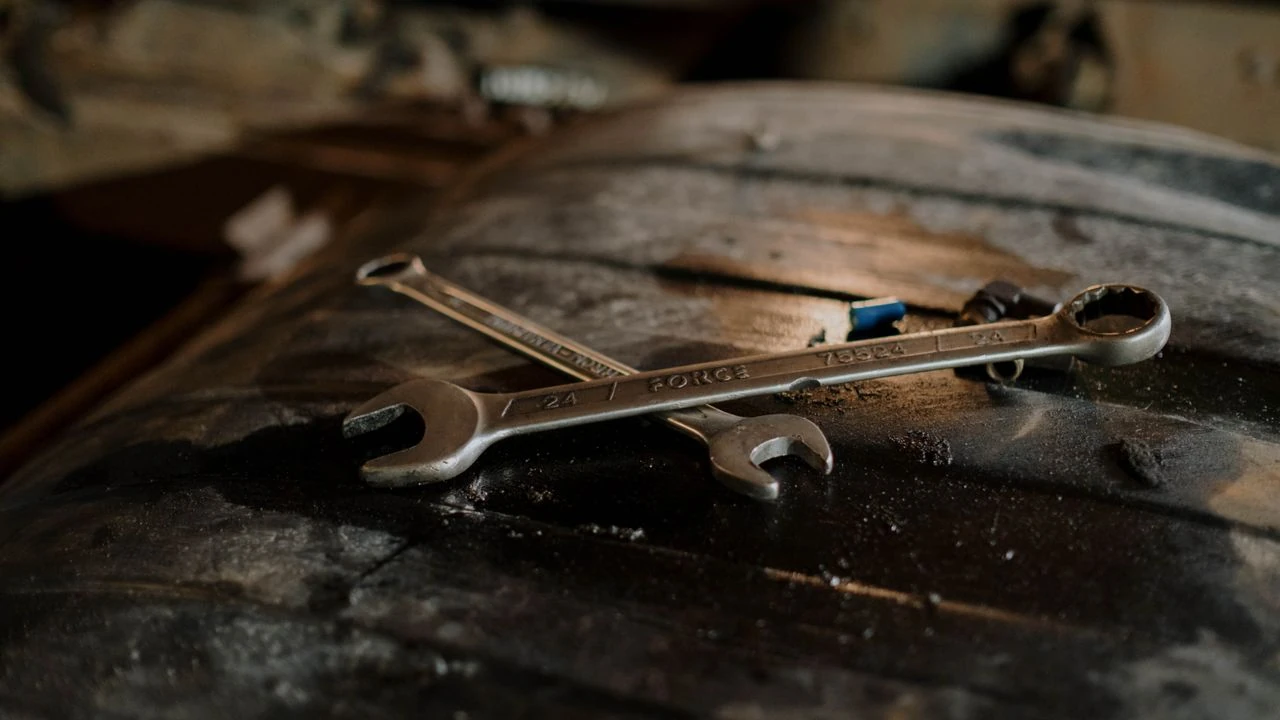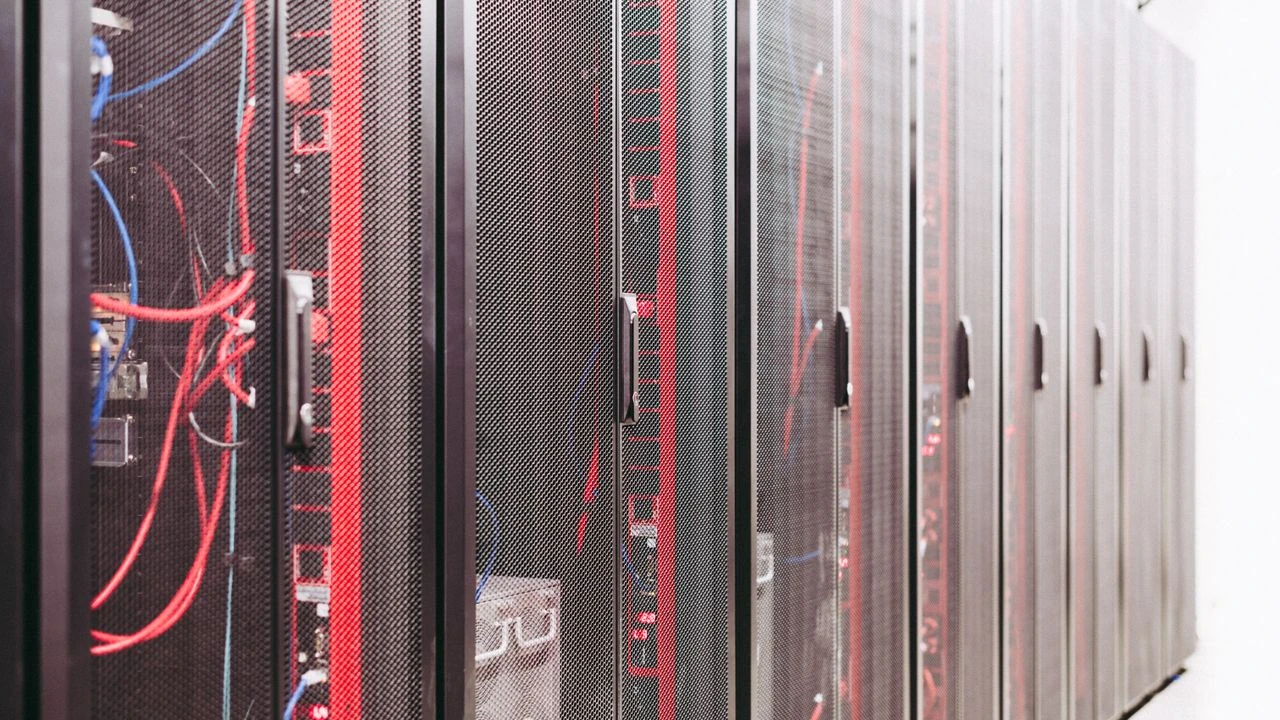
9:40 on a Saturday morning in April, fairgrounds exhibition hall, and I'm holding a paper bid card with 47 inked on it in someone else's handwriting. Dust hangs in the light from the skylights like the building has a fever. Lot 47 stands at the back, an open-frame server rack about seven feet tall with a scorch mark on the middle shelf and a strip of melted zip ties still attached. My whole budget for the morning is $200 cash in a front pocket. The auctioneer's cadence is already in my head. I came for the steel. I left with something heavier.
Modest stakes, honestly, and I want to be upfront about that. Forty dollars is dinner for two, and nobody's mortgage rode on lot 47. What made my pulse move was the one-page sheet the liquidator handed out, photocopied twice too many times, listing what the farm held at its peak: 84 mining rigs, approximately $2.1 million in mined coins at the prices of that winter, and a diesel bill that arrives like weather. Numbers like that in a room where everything sells for scrap. That contrast hooked me. That contrast is why I walked in with $200 instead of $40.
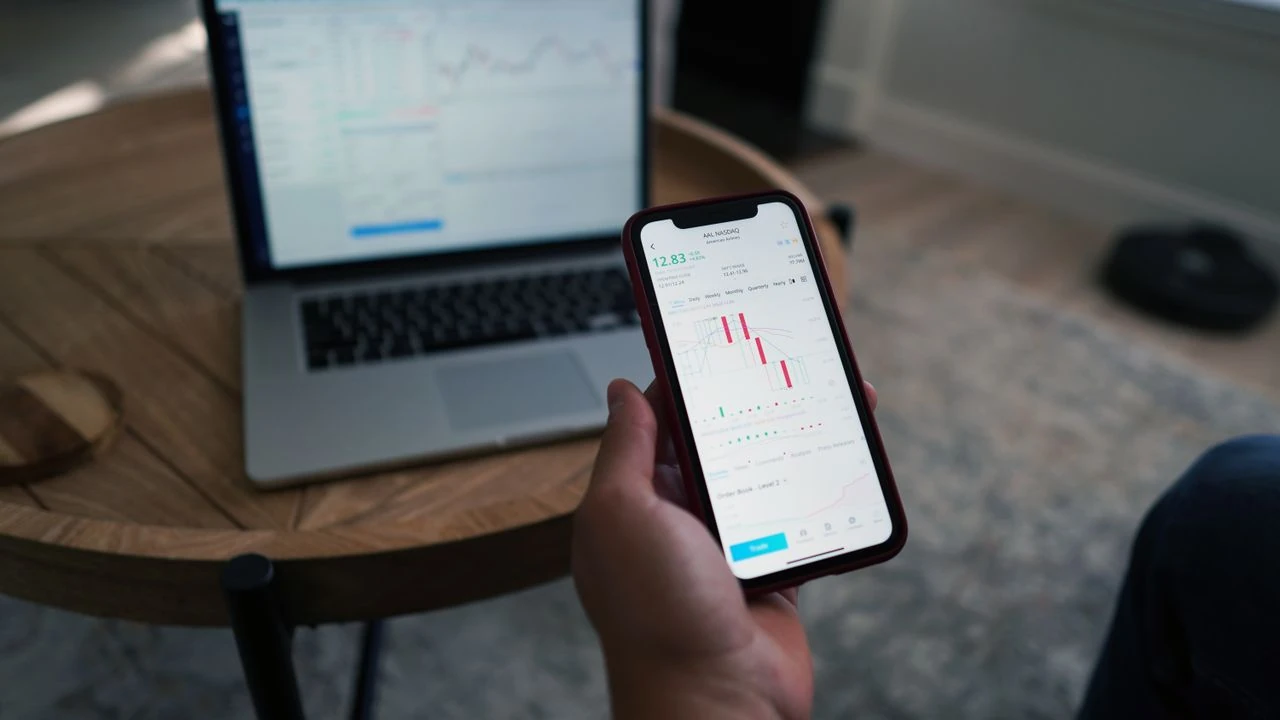
Here's the part I couldn't stop thinking about on the drive home. The owner of that farm was, on paper, a millionaire twice over, and the diesel company did not care even slightly. Assets sat on open shelves appreciating while liabilities showed up every Tuesday needing cash, and when those two things disagree about the future, the one holding a bill wins every single time. I paid $40 for a rack, sure. What I actually snagged was the cheapest tuition available on the difference between being rich on paper and being solvent on Tuesday. This article is me reading my own tuition receipt.
lot 47, 9:40 in the morning
The auction itself ran like a threshing machine. Lots went twelve a minute, mining rigs sold five and ten dollars at a time to two scappers with magnet wands, and a woman from the credit union stood in the back in normal Friday clothes taking notes on a legal pad. Then lot 47. Seven feet of steel with a scorch mark apparently scares off the resale crowd, because the bidding opened at $60 and fell. I raised the card once at $40. Sold. To me, apparently, to a slight round of applause from nobody. The scappers had already moved on to a pallet of power cables.
the one-page sheet in my jacket
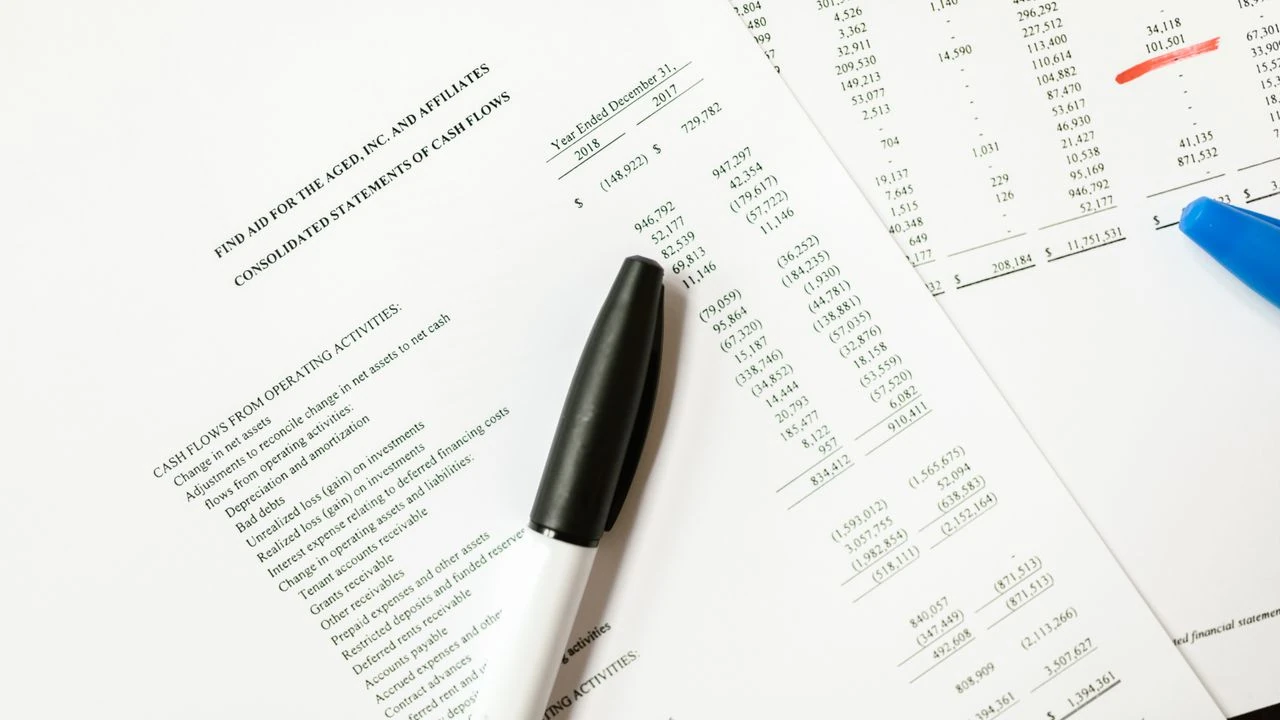
The liquidator's sheet deserves its own section, because I've kept it. Photocopied gray, one page, the farm's story in eleven lines: incorporated 2021, 84 rigs at peak, a utility that capped the electrical service in August of that year, two diesel generators on rental contracts, coins mined and held rather than sold, and a final line that reads like a sigh, operation suspended, all assets to auction. Eleven lines from millionaire to folding tables. I keep it folded in a jacket pocket the way some people carry a photo. its the most effective piece of financial writing I own, and I didn't write a word of it.
$2.1 million on open shelving
Picture what the sheet is describing, because I've stood where it happened. 84 rigs on open frames like mine, fans roaring day and night in a rented barn outside town, coins arriving every single day and going nowhere near an exchange. The owner held. Everybody held that winter, that was the whole religion, and on paper the barn got richer every single morning. Meanwhile the diesel invoices came weekly, the generator rental came monthly, and the utility wanted deposits to restore grid service. Paper wealth cannot pay a fuel truck. The trucks still came anyways. When the coins ultimately had to be sold, they got sold badly, in a market going the wrong direction, at whatev price kept the lights on that week.
the diesel bill due Tuesday
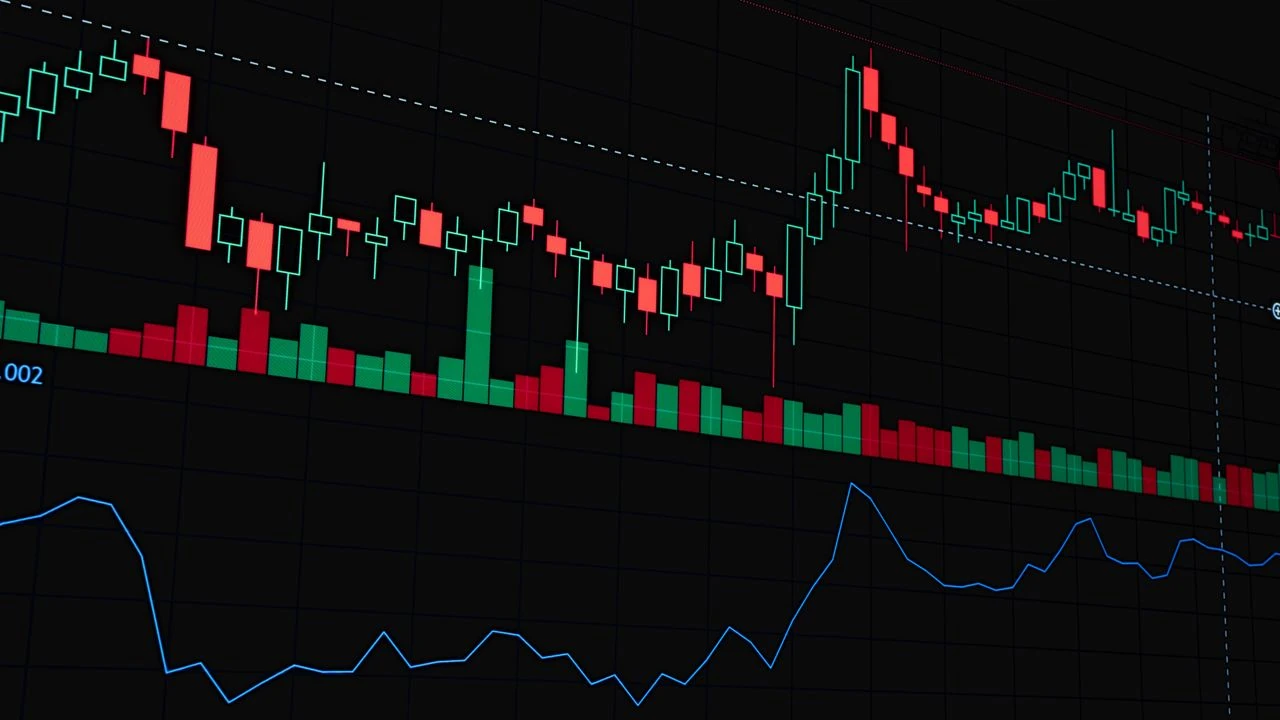
Here's the mechanism that actually killed the farm, stripped of all mystery. Mining converts electricity into coins on a delay, and financing that electricity with diesel rentals converts a fixed cost into a bigger fixed cost with a due date. Two rental generators burned something like 340 gallons a week at peak, if the sheet's arithmetic holds. The coin price fell; the diesel price didn't. Every week of holding cost real dollars that had to come from somewhere, and the somewhere was the treasury of coins everyone was so proud of. Selling to pay power is selling at the worst moment by definition. The sheet doesnt editorialize about any of this. It doesn't hafta. The scorch mark on my rack's middle shelf tells the loud version.
the owner never showed up
One detail I checked twice, cuz it read impossible. The owner wasn't there. Not bidding, not watching, not answering the liquidator's questions about which lot had the good power supplies, and when somebody asked, the answer was that he'd taken a shift managing servers for a hosting company two towns over. The man who signed the sheet that once claimed $2.1 million now racks other people's hardware for an hourly wage, and his life's residue sold on a Saturday to strangers with magnet wands. I've figured about that more than the price of any lot. Pride would have kept me home too. Goin would have cost more.
my paycheck never learned the news
The reason I wanted this lesson made physical is that my own system had drifted toward the barn's shape without me noticing. Check the plumbing now: every paycheck splits automatically, retirement slices buy a total-market index fund before the money ever touches my hands, a slight ETF auto-invest runs on top of that, and the crypto budget is $150 a month, cash-flowed, never borrowed, never financed. Fixed costs come due on dates I can recite. Nothin in the plan requires a fuel truck to believe in a price target. The rack sits in my garage as a $40 monument to that arrangement. Every barn needs one.
a rack in my garage now
Postscript from the garage, six weeks later. Lot 47 holds my home lab now, a modest computer, a backup drive, a label maker, and the framed one-page sheet hanging at eye level where I'll see it every time I walk in. The scorch mark stays, evidently. Total investment: $40 for the rack, $12 in bolts, one Saturday afternoon. The scrapper who wanted it offered me $90 on the way out and I said no to a 125 percent return in forty minutes, which tells you the asset was never the point. Paper said that shelf held $2.1 million once. The sheet says what happened next. The index fund says nothing, which is my favorite part, and now it hangs three feet from where I drink my coffee.