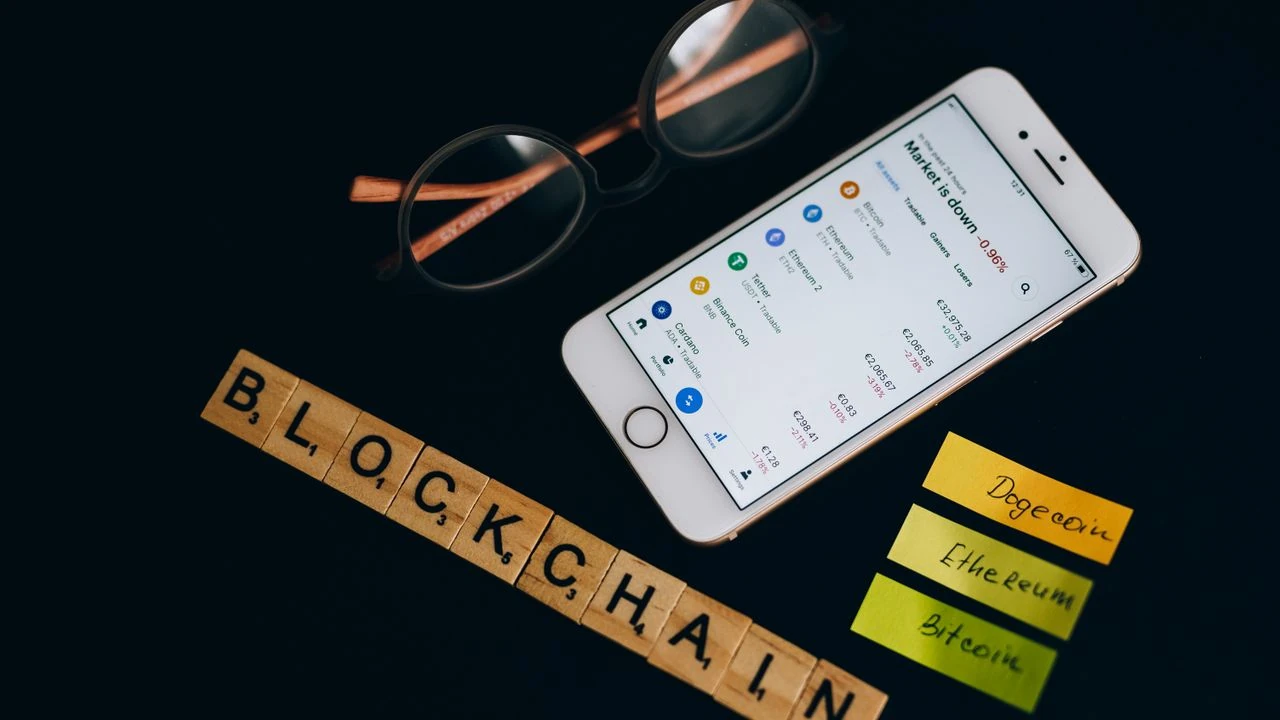
8:15 on a Sunday morning in March, and my coffee is still too hot to drink when I open the wallet app out of pure habit. Balance page loads. There are four lines on it where three belonged, and the new fourth one reads CLAIMR: 4,620 tokens at a quoted value of $9,240 that I have no memory of acquiring. I did not buy CLAIMR. I have never typed the word CLAIMR in my life. The token just moved in sometime before dawn, the way a raccoon does.
Here is what sits next to the raccoon. That wallet holds 0.043 ETH and about $3,900 in a stablecoin I use as the car-repair fund, and both of those are real numbers I can eat with. One wrong approval and the whole wallet empties. Not the fake token. The real $3,900.
The quoted $9,240 is worth exactly zero, and proving that took three days of quiet poking around a block explorer with my wallet disconnected the entire time, never once plugging it in. The scam itself is old and lazy. What fascinated me was the illusion. Mine is a life where money arrives through a savings account paying 4.05 percent and an index fund that buys on payday, and CLAIMR was showing me the opposite: money that arrives from nowhere and goes nowhere. By Tuesday night I knew to the penny what the token was worth. I never sold a single unit of it.
the sell button, pressed twice
Outta curiosity I tried to sell 100 CLAIMR at 8:31 AM. The wallet wanted an approval first, quoted at 0.0009 ETH in gas, call it $2.40, and I wasn't about to pay rent on a raccoon. I attempted the swap anyways, unsigned, just to read the error. It came back with a red FAILURE line and a reason no human would ever say out loud: claimr token transfer reverted. Second try, same wall. Free money that asks this many questions is not money.
the website that wanted a signature
The airdrop came with a note in the token's metadata pointing to a rewards site with claimr and rewards in the address, registered eleven days earlier. The page looked like the exchange's login page the way a costume looks like a uniform. It asked me to connect my wallet and sign a message to verify I was a real holder. That signature is the whole trap. A signature can hand a malicious contract standing permission to move your real coins forever, and the $9,240 sitting on the balance page is the cheese that gets you to sign. I closed the tab and unplugged nothing, because nothing was plugged in.
a contract that blacklists everybody
Monday after work I read the token contract itself, read-only, wallet in a drawer. Public block explorers let you do this without connecting anything. The source code had a mapping called blacklist and a sell function wrapped in a check I had to read four times: if the seller is not the deployer and not the trading pair, revert. Translation. You can buy til your card overheats, and the contract will accept your money forever, but the sell path only exists for whoever deployed it. That's the honeypot, the entire trick, spelled out in fourteen lines anyone can read.
$211 of fake depth
Tuesday night I found the liquidity pool, which is where the quoted price comes from. The pool held the equivalent of $211. Every price you see, including my $9,240, is arithmetic against a market that would collapse if you sneezed near it. Selling 100 tokens would need buyers the pool simply doesnt have. The number is a costume too. A stock in my brokerage quotes a price backed by a real exchange with real depth behind every share, while CLAIMR quotes a price backed by one stranger's lunch money. Both are numbers on a screen. Only one of them is a market.
the forum thread from last October
I wasn't the first to meet this particular raccoon. A forum thread from last October walks through the same token family, same trick, different name on the label, and the losses people post in it are not homework problems, they are mortgages. One poster wired 1.9 ETH, about $5,700 at the time, into an unlock fee and watched it vanish. Another spent three weeks negotiating with the deployer's Telegram account, which asked for one more fee every single week. Desperation is a subscription model now. My total cost of curiosity: one evening and a quarter of a Saturday, plus the $0 I refused to spend on approvals.
where my real 4.05 percent lives
The whole episode reminded me why my money is so boring. The emergency fund sits in high-yield savings at 4.05 percent, FDIC-backed, earning about $14 a month while I sleep, and no contract anywhere can blacklist a withdrawal from it. Payday buys an index fund slice automatically, every two weeks, whether I'm paying attention or not. Crypto gets a capped $150 a month and lives on a hardware wallet that has never once visited a rewards website. Boring money cant be honeypotted. that's not a strategy you brag about. It's a strategy that lets me laugh at a raccoon.
Sunday coffee, second cup
It's 8:52 AM now and the coffee is the second cup, which means its actually drinkable. CLAIMR still sits on line four, still quoting $9,240, still selling nothing to nobody. It can stay until the app dies. The real balances haven't moved a cent since Friday, the high-yield savings account added its $14 while all this was happening, and the index fund will buy again on Tuesday no matter what my wallet displays. Free money showed up uninvited this morning. I let it knock.