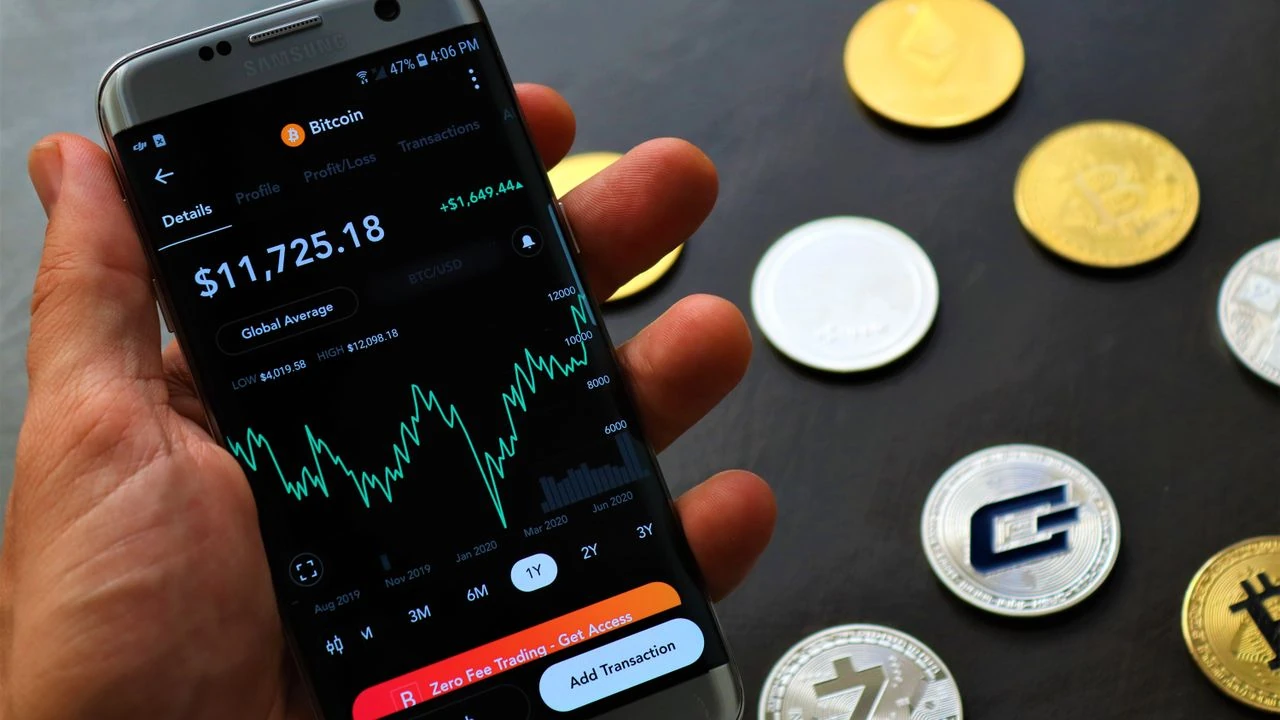
7:58 PM on a Thursday in June, and I'm at the kitchen table with a bowl of pasta I keep forgetting to eat. The laptop sits at 12 percent battery because I only ever charge it at the desk. Across the top of the exchange, a gray banner says maintenance begins in one minute, estimated duration 45 minutes, and underneath that banner sits everything I own in crypto: 4.0 ETH cut into two identical chunks of 2.0 coins, worth $12,040 at the last print. I figured the next hour would be the boringest of my month. It cost me $560.
Here's what rode thru the dark window. $12,040, which is about 6 percent of the money my wife and I call real, with the rest parked in an index fund that has never once needed a trigger price. Four coins, no margin, no borrowed money anywhere. The mortgage autopay clears on the 14th and this ETH was never supposed to touch it. Windows like this had been boring twice before.
The whole night came down to two sell buttons that look nearly identical on the order ticket. A stop-market says that once my trigger price prints, the exchange sells my coins immediately at whatever the book will pay, no floor, no questions, and no mercy at all. A stop-limit asks for a second number. It places an ordinary sell limit at the floor you picked, and it will never accept less than that floor. I held chunk one behind the first button and chunk two behind the second, same trigger, $3,010, same coins, same night. By 9:41 PM the two buttons had produced exit prices $280 per coin apart. The order ticket warns you about fees. It does not warn you that one button rents the exit door and the other sells the whole staircase.
the banner that went up at 4:10 PM
The notice appeared mid-afternoon and I read it standing in the kitchen at 4:10 PM with my phone in one hand and a watering can in the other. Scheduled maintenance, 8:00 to 8:45 PM, deposits paused, spot trading paused. I shrugged and went back to the tomatoes. March's window had come and gone without the price moving a full dollar, and April's had been just as dull, so arming both stops and walking away felt like experience talking. That was the decision I replayed all night. The mistake wasn't arming the stops. The mistake was never asking what a stop order does when there is no price anywhere for it to watch. A stop is a promise the exchange can only keep while the lights are on.
two chunks, one trigger, $3,010
Worth explaining why I run the comparison at all. Back in January I spent a weekend reading the exchange's order-type documentation, clicked thru every help page twice, and decided to hold a live experiment: chunk one behind a stop-market, chunk two behind a stop-limit with a floor $5 below the trigger. Same trigger, $3,010, set on a Tuesday in February while the price hovered near $2,980. Nothing about the setup was clever. I wanted to know what each button does when something breaks, and maintenance night looked like the cheapest laboratory I'd ever get. Be careful what you wish for.
8:12 PM, on every other venue
The news landed while the exchange was dark. At 8:12 PM a spot ETF issuer disclosed its biggest single-day outflow batch since launch, and ETH on the venues still awake slid from $3,010 to $2,844 in approximately eleven minutes. I watched it happen on a price aggregator on my phone, the way you watch a river from a bridge you're not allowed to cross. My stops sat there in the dark, armed and useless, waiting for a price that didn't exist. The maintenance window got extended twice. Second extension. By 9:00 PM the pasta had gone altogether cold and I had stopped pretending I'd eat it.
the first print, two minutes late
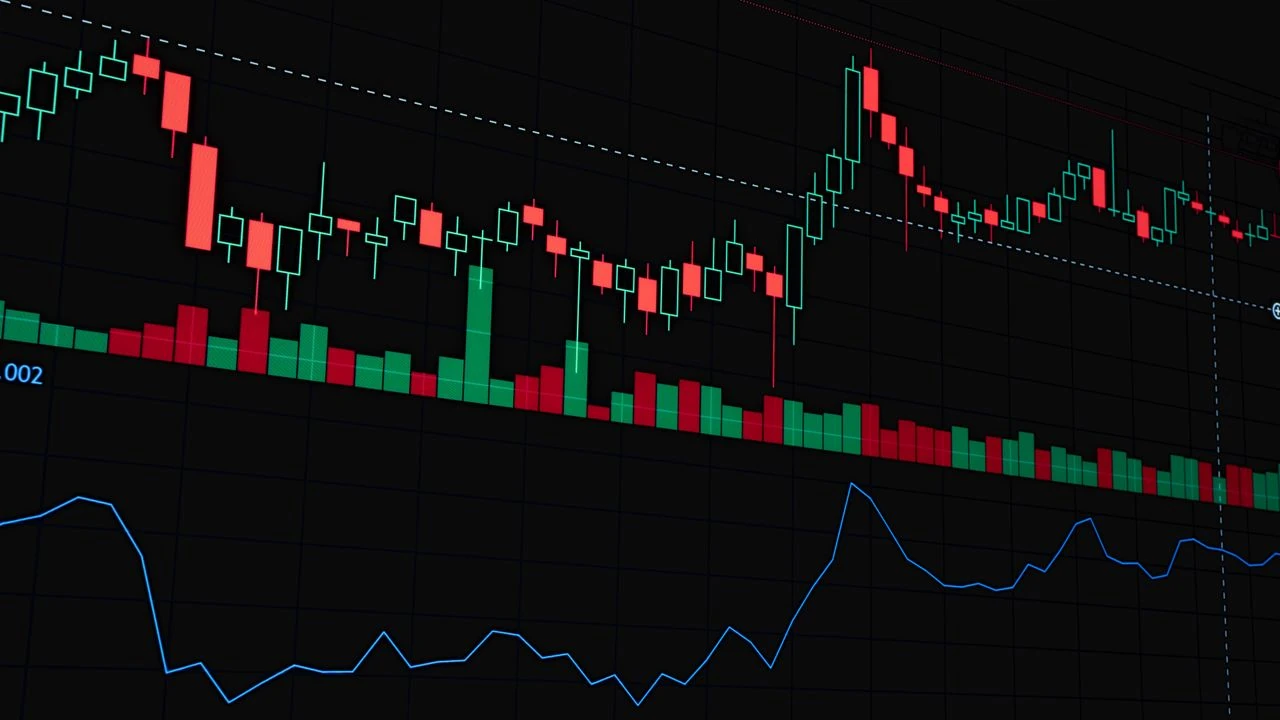
Trading came back at 9:02 PM, two minutes past the revised estimate, with a first print of $2,838. Then the book went down a staircase. Within ninety seconds the price had cascaded all the way down to $2,690 as every armed stop on the exchange lit up at once, mine among them, and the sellers ahead of me ate every bid worth having. Chunk one, the stop-market, fired into a book with almost nothing between the last print and the bids far below, and my 2.0 coins sold at an average of $2,725. I watched the fill confirmation load one line at a time on a laptop that said 7 percent. That number, $2,725, is the first half of the $560.
Dev's order from lunch
At 9:13 PM, eleven minutes after resume, my friend Dev's buy limit filled at exactly $2,700.00. He had parked that order at lunch, twelve hours earlier, the way you leave an umbrella by the door, with no trigger attached, no drama attached, and no supervision required. that's the part I keep turning over. Plain limit orders live on the order book, where they wait in public and fill at their price or don't fill at all. Conditional stop orders live in a trigger engine that had just spent seventy minutes blind, and when the lights came back on, that engine fired every armed stop into the same narrow exit at the same second. One system behaved like a queue at a bakery. The other behaved like a fire alarm in a theater.
$3,005.00, to the penny
The bounce began at 9:31 PM, slow at first, then insistent. By 9:41 it had pushed straight thru $3,005, which is where chunk two's floor had been quietly sitting since 9:02, because the moment trading resumed, the stop-limit converted itself into an ordinary sell limit at the floor and waited in line like everyone else. It filled at $3,005.00. To the penny. Price settled near $3,071 by 10 PM, which means my second button sold near the top of the spike and my first button sold the exact bottom. Same coins, same night, same trigger, $280 per coin apart.
what $280 per coin looks like in the log
$3,005.00 on one line, $2,725.00 on the next, two coins each. I journaled both fills the next morning over eggs, line by line, cuz numbers you never write down turn into folklore within a week. The gap totals $560. That covers four months of interest on the car loan, or about 37 burritos at the place near my old office, or one complete education in order types. Dev teased me about his $2,700 fill for a full week. He earned every day of it.
the nuance I owe you
One honest footnote before the stop-limit starts looking like a hero. If the bounce had never come, chunk two would still be sitting unsold in my wallet near $2,500, all the way down, while chunk one at least turned into cash. A stop-market guarantees exit, never price. A stop-limit promises a price and can break that promise by never filling at all. I keep both buttons now, split 50/50, because I'd rather own two failure modes than bet a whole night on one. The ETF flows that lit the fuse belong to institutions. My $560 belongs to me. The coins I truly care about carry no stop orders at all; they sit in the index fund line on my payroll page and sleep straight through maintenance windows like this one.
back to the cold pasta
At 10:04 PM I ate the pasta cold, standing up, after ultimately plugging the laptop in because 7 percent had become 3. The gray banner was gone. Both chunks were cash, $560 apart, and the kitchen table held nothing but a bowl and the most expensive dinner of my year. The next time a maintenance banner goes up at 4:10 on some random Thursday afternoon, I will know exactly what each of my two sell buttons does in the dark. One rents the door. The other sells the staircase, stairs or no stairs.