Monday, March 9, at 6:50 in the evening, I was standing on my basement stairs in socks, one step from the bottom, looking at two inches of water sitting over the floor drain and rising in visible pulses every time somebody up the street flushed. The water had a sheen to it. It had a smell I will not describe beyond saying it was not rain. My first call went to the city's 24-hour line, where a recording said crews were already working the main two blocks over.
what standard policies exclude
The stakes arrived by arithmetic while I stood there: finished basement, laminate flooring laid in 2022, the lower two feet of drywall, a washer, and boxes of family photographs on shelving my brother calls archival because flattery is free. My standard homeowner policy — I knew this cold, having read it after a neighbor's backup in 2023 — excluded sewer and drain backup entirely, which is the exclusion that turns a wet Monday into a five-figure Monday. Water kept pulsing. I stepped up one stair. Socks are not boots.
the rider I almost skipped in 2023
In 2023, after that neighbor lost a finished rec room to the same street main, I added a water backup rider for $85 a year, mostly cuz the agent noted it in the tone people reserve for umbrella insurance — optional, fussy, likely unnecessary. I nearly skipped it. The rider capped at $10,000 with a $500 deductible, which felt like betting on my own basement to fail. Basements, it turns out, fail on schedules nobody sets. The city cleared the main around 9:40 that night, the water stopped where it stood, and the real math began the next morning.
nineteen minutes and a Thursday
The claim call the next morning lasted 19 minutes and booked an adjuster for Thursday, and I spent Wednesday pumping, bleaching, and rehearsing my side of the story, cuz a backup claim lives or dies on provenance and I had read enough forums to know it. Whose pipe failed? Mine, or the street's? The wrong answer costs five figures.
the camera in my cleanout
Ruiz — compact, unimpressed, allergic to adjectives — walked the basement once, photographed the waterline on the drywall, and then did the thing I now describe to every new homeowner: she fed a camera into my exterior cleanout and pushed it toward the street while we both watched the feed on a tablet propped in her trunk, roots pinching the city side of the line about twelve feet past my property edge. Street main. Not my lateral. That distinction was the entire claim, and the footage was its whole skeleton.
the swear-out they'd have demanded
Without that footage, the claim becomes a swearing contest — my word against the file about whether the backup came from the main or a grease clog in my own lateral, which is the denial this industry is famous for and adjusters are trained to document around. Ruiz wrote five words on her sheet: public main contribution, camera-verified. Five words. The whole rider turned on them.
$7,800 in twelve days
The settlement — $7,800 covering flooring, the lower two feet of drywall, disinfection, the drowned washer, and two days of labor — was approved in nine days and paid in twelve, and I reread the breakdown three times at the kitchen table before endorsing anything. The $85 rider had returned ninety-two to one on a single Monday night of municipal plumbing failure. I deposited it the same hour.
the account I didn't empty
The counterfactual is the part I sat with, cuz the point of insurance stories is the road not snagged: no rider means $7,800 out of pocket, which is more than my entire emergency fund and approximately the full balance of the high-yield savings account I keep at 4.2 percent — the floor would have been paid for twice, once in laminate and once in lost compounding. The alternative was a HELOC draw at 8.9 percent against the house for a city main I do not own, which is the least romantic borrowing imaginable. Either road was worse. This year's renewal quote arrived March 1 at $89, and I clicked through the portal without reading past the price.
a one-way door for sewage
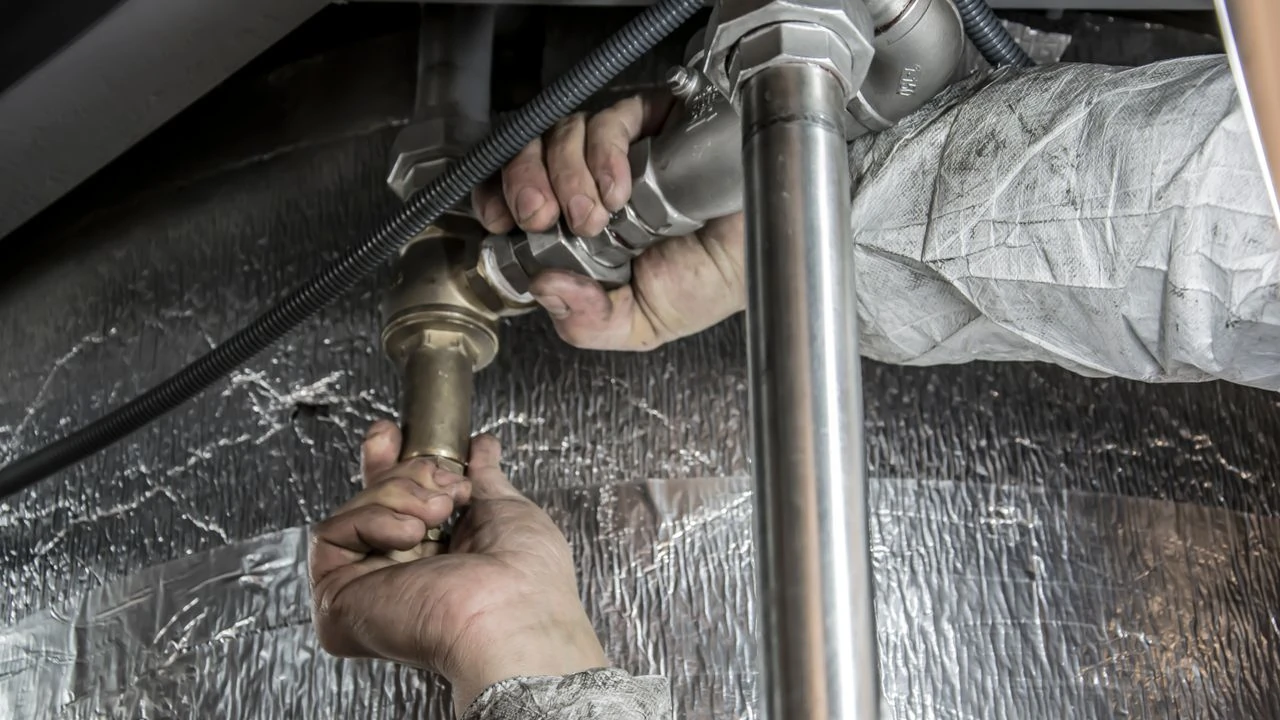
The remediation crew finished in four days, and while their fans roared I spent $1,450 on a backflow valve installed on the basement line — a one-way door for sewage — which my plumber described as the difference between an anecdote and a sequel. City crews ground out the root pinch three weeks later on a scheduled pass. My basement looks normal now, the new laminate a shade grayer than the old, and the photographs are all scans anyways, because the first thing I did after the 2023 scare was digitize every box in that room. The valve has a test lever. I test it monthly, like flossing.
the third step in the rain
The stairs are the same stairs, and some part of me stands on that third step whenever it rains hard, checking the drain rim out of habit rather than fear, cuz the margin that night was exactly two inches and habits are built out of margins like that. The rider renews next March. The camera footage sits in a folder labeled MAIN, next to Ruiz's one-page summary. Ninety-two to one is a payout you never want to collect twice. The $89 is the cheapest sentence in my budget: I have lived the alternative once, and I intend to keep the sequel unmade.